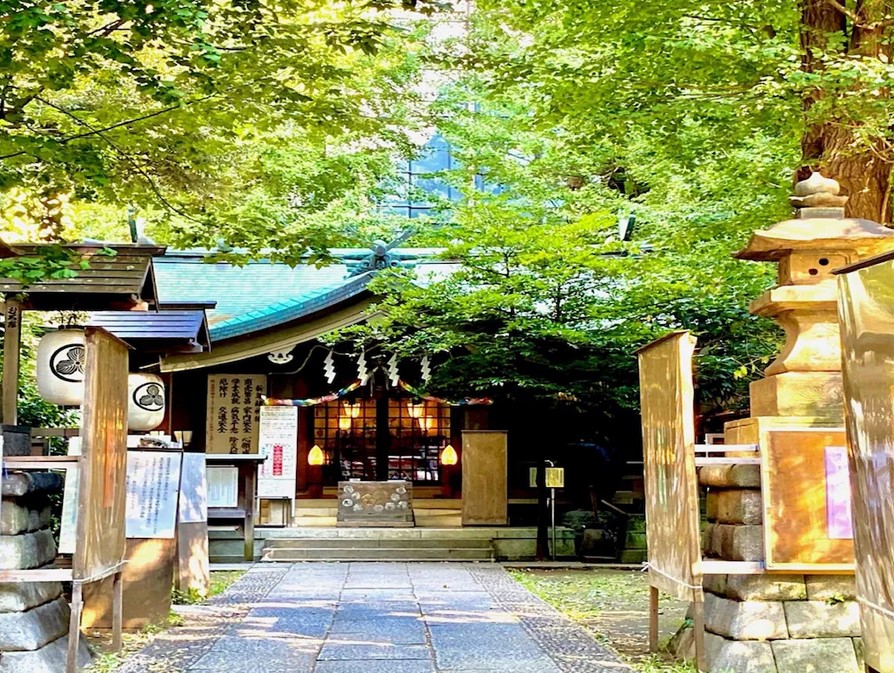
Tokyo makes much more sense once you stop treating it as a single city. The scale is enormous, but the real trick is that each part of it seems to have signed a different contract with reality. One district gives you imperial gardens, immaculate office towers and department stores where buying a box of sweets feels like a diplomatic ceremony; twenty minutes later you are surrounded by vintage shops, tiny bars and people dressed as though the rest of the country has been cancelled.
Trying to “do Tokyo” by bouncing randomly across the map is an excellent way to become intimately familiar with railway stations. A better approach is to concentrate on one or two neighboring areas each day. Tokyo’s public transport is superb, but the distances are real, and many districts only reveal themselves once you stop rushing through them.
The following neighborhoods are not interchangeable sightseeing stops. Each is useful for something different: history, food, shopping, museums, nightlife, subculture or simply understanding how Tokyo manages to contain several cities inside one administrative boundary.
Marunouchi and Nihonbashi: Tokyo in a Suit
If Tokyo has a formal front door, it is probably the area around Tokyo Station, Marunouchi and Nihonbashi. This is corporate Tokyo at its most polished: glass towers, expensive hotels, immaculate pavements and people walking quickly because somebody important is expecting them somewhere.
Tokyo Station itself is worth seeing before you disappear into its enormous underground network. The restored red-brick Marunouchi facade faces towards the Imperial Palace, while the tree-lined Naka-dori runs through a district of offices, restaurants and upmarket shops. Marunouchi can look sterile at first glance, but it works well as an introduction to the scale and order of central Tokyo. It is also difficult to beat as a transport base if convenience matters more than character.
Nihonbashi, just to the east, has more historical weight. During the Edo period it was one of the city’s great commercial centers, and Nihonbashi Bridge became the starting point for Japan’s major roads. The surrounding streets still mix old merchants, traditional specialist shops and venerable department stores with thoroughly modern office blocks. It is one of the better places to see how Tokyo handles history: rarely by freezing it in amber, more often by building a skyscraper next to it and carrying on.
This is not where you come for Tokyo’s wildest night. There are plenty of restaurants, izakaya and after-work drinking spots, but Marunouchi and Nihonbashi become noticeably calmer when the office population goes home. Come for centrality, architecture and old commercial Tokyo rather than the prospect of accidentally seeing sunrise.
Ginza and Tsukiji: Expensive Taste, Affordable Appetite
Ginza has been separating people from their money with considerable elegance for generations. The district is Tokyo’s classic luxury-shopping address, filled with department stores, international fashion houses, galleries, polished restaurants and bars where the bill can sometimes be more memorable than the drink.
Even if designer shopping leaves you cold, Ginza is worth exploring. Kabukiza remains one of the city’s principal homes of kabuki theatre, and the smaller side streets are often more interesting than the grand storefronts on the main avenues. There is a distinctly grown-up feel to the area: less frantic than Shibuya, less chaotic than Shinjuku and generally convinced that quality is improved by good lighting and a discreet entrance.
Nearby Tsukiji provides a useful antidote to all that restraint. The wholesale fish market moved to Toyosu in 2018, but the outer market survived and remains a serious food destination. Its narrow lanes are still packed with seafood, kitchenware, snacks and places serving sushi early enough in the morning to make breakfast cereal look like a wasted opportunity.
Ginza works well for an evening too, especially if cocktails, small bars and good restaurants appeal more than giant clubs. Just remember that discretion and affordability are not synonyms in this part of Tokyo.
Roppongi and Akasaka: Art by Day, Bad Decisions After Midnight
Roppongi has spent decades cultivating two reputations that should not logically coexist but somehow do. During the day, it is one of Tokyo’s major art and luxury districts, anchored by Roppongi Hills, Tokyo Midtown and important museums. At night, it becomes one of the city’s best-known international party areas.
That combination is exactly why it is interesting. You can spend the afternoon looking at contemporary art, eat extremely well, then discover that several streets nearby have developed a completely different personality after dark. Roppongi’s nightlife is particularly approachable for foreign visitors, with plenty of bars, clubs and restaurants accustomed to an international clientele. The downside is that parts of it can feel more cosmopolitan than particularly Japanese.
Akasaka, just to the northeast, is more restrained. Its proximity to government offices and major corporate headquarters gives it a polished business-district atmosphere, but the area also has shrines, restaurants, bars and a strong after-work scene. It is a useful choice when you want central Tokyo without waking up directly above the party.
Roppongi deserves a place in any serious overview of Tokyo nightlife, but it does not need to dominate your trip. Tokyo has too many different nocturnal personalities to spend every evening surrounded by the same expat bar stools.
Ebisu, Nakameguro and Daikanyama: Tokyo at Human Scale
There are moments when Tokyo’s bigger districts begin to feel like somebody has turned the city up to eleven and snapped off the dial. Ebisu, Nakameguro and Daikanyama are useful when you want it turned back down without actually leaving town.
Ebisu mixes restaurants, small bars, shopping and residential streets in a way that feels unusually manageable for Tokyo. It has a strong food and drinking scene, but the nightlife is more about hopping between compact izakaya, bars and restaurants than spending six hours inside a megaclub. Ebisu Yokocho is one of the better-known concentrations of small drinking and eating spots, and the neighborhood’s connection with Yebisu beer is still very much part of its identity.
Nakameguro is best known for the Meguro River and its rows of cherry trees, which are beautiful in season and considerably less peaceful once everyone else has had the same idea. Outside the blossom frenzy, the area is calmer, with cafes, boutiques, bars and restaurants spread along the river and surrounding streets. Nearby Daikanyama pushes further into fashionable residential Tokyo, with design shops, boutiques and a general sense that everyone has somehow discovered a better haircut than you.
These neighborhoods are good reminders that Tokyo is not all giant intersections and twenty-storey shopping centers. Sometimes its best evenings involve three bars with twelve seats between them.
Shibuya and Shimokitazawa: Youth Culture in Two Different Gears
Shibuya is Tokyo with the volume control missing. The famous crossing remains the visual shorthand, but the neighborhood is far more than several thousand pedestrians successfully avoiding one another at once. Fashion, music, nightlife, shopping, restaurants and enormous digital screens compete constantly for attention.
This is not an area that rewards an early start. Shibuya makes more sense from late afternoon onwards, when the streets fill and the transition from shopping district to nightlife district happens almost without warning. Clubs, live-music venues, izakaya, karaoke rooms and bars are everywhere, and the younger crowd keeps the area energetic well into the night. It is one of the easiest places in Tokyo to begin an evening without knowing exactly where it will finish.
Shimokitazawa, a short train ride away, provides a much less corporate version of youth culture. Vintage clothing, record shops, bookstores, live music, independent cafes and compact bars dominate a neighborhood that still manages to feel slightly scruffy by Tokyo standards — which here is practically an act of rebellion.
The two areas make a useful pairing. Shibuya shows you modern Tokyo at full commercial power; Shimokitazawa shows what happens when some of the same generation decides that giant advertising screens might not be strictly necessary.
Harajuku and Aoyama: Fashion, Design and Controlled Chaos
Harajuku has been declared dead, reborn, ruined by tourists and rediscovered so many times that the neighborhood has sensibly ignored the discussion and kept selling clothes.
Takeshita Street remains the loudest and most crowded expression of Harajuku’s youth-fashion identity, while the side streets around Cat Street reward anyone willing to move away from the main flow. Vintage fashion, streetwear and international brands overlap with the lingering influence of the subcultures that made the district internationally famous.
The contrast with nearby Meiji Shrine could hardly be better engineered. Within walking distance of one of Tokyo’s busiest fashion districts, you can disappear into a broad forested approach leading to one of the city’s most important Shinto shrines. Visit early if possible; serenity works better before the tour groups have finished breakfast.
Omotesando then leads toward Aoyama, where the clothes become more expensive, the architecture more ambitious and the clientele noticeably less interested in novelty sweets. Aoyama is full of designer boutiques, galleries, cafes and serious restaurants, making the Harajuku–Omotesando–Aoyama corridor one of Tokyo’s best walks for anyone interested in fashion and contemporary design.
Nightlife is not the reason to base yourself here. Once the shops close, much of the area becomes surprisingly restrained. Shibuya and Roppongi are close enough if restraint starts to feel overrated.
Nakano and Koenji: Tokyo Without the Corporate Filter
West of Shinjuku, the Chuo Line passes through a series of neighborhoods that feel increasingly detached from central Tokyo’s obsession with redevelopment. Nakano and Koenji are two of the most rewarding.
Nakano is particularly strong for anime, manga, collectibles and Japanese pop culture, with Nakano Broadway offering an alternative to the more famous Akihabara. It is compact, less theatrical and often feels more like somewhere enthusiasts actually shop than somewhere constructed to photograph tourists doing so.
Koenji has a different obsession. Vintage clothes, independent shops, bars and live music give the neighborhood one of Tokyo’s strongest alternative-culture identities. Punk and underground music are part of its history, and the streets around the station remain lively after dark without becoming a conventional nightlife district.
Neither neighborhood has a huge checklist of monuments. That is precisely the point. This part of western Tokyo works best when you stop hunting attractions and start wandering. You get a better look at the commercial streets, neighborhood bars and small restaurants that make up everyday urban life away from the giant central districts.
Shinjuku: Tokyo Concentrated
Shinjuku feels less like a neighborhood than a large city that somehow got trapped inside Tokyo. West of the station are skyscrapers, offices and the Tokyo Metropolitan Government Building; east of it are department stores, restaurants, bars, karaoke, neon and several competing definitions of nightlife.
The size of Shinjuku Station alone is enough to humble overconfident visitors. It is better to think in terms of sides and subdistricts rather than assuming you can casually “walk around Shinjuku” before dinner. Nishi-Shinjuku is the business side, while the eastern side becomes progressively more entertaining as the day ends.
Golden Gai is one of the best-known drinking areas, a dense cluster of tiny bars in narrow alleys where some venues hold barely more people than an average taxi. The atmosphere is distinctive, although not every bar caters to walk-in tourists and basic manners go a long way in places where the owner is standing approximately forty centimeters from you.
Then there is Kabukicho, one of Japan’s largest entertainment districts. The streets contain regular restaurants, cinemas, karaoke venues, bars, hotels, host and hostess clubs and a visible adult-entertainment sector. This is where Lonely Punter’s general guide stops before it turns into an After Dark article: the important point here is simply that Kabukicho is not one type of nightlife, and appearances do not always explain what a venue actually is.
It is also one of the parts of Tokyo where official police warnings about touts should be taken seriously. Do not follow street hawkers into bars or adult venues, regardless of how persuasive the offer sounds. Tokyo is remarkably safe for a city of its size, but alcohol plus an unknown bar selected by a stranger remains an impressively universal recipe for financial education.
Akihabara, Kanda and Kagurazaka: Three Versions of Old and New
Akihabara remains the obvious destination for electronics, anime, manga, gaming and otaku culture, even though its identity has shifted considerably from the pure “Electric Town” of previous decades. Electronics retailers still matter, but collectible figures, retro games, themed shops and pop-culture merchandise are now just as central to the experience.
Walk or ride west and central Tokyo changes tone quickly. Kanda and nearby Jimbocho have a more traditional commercial atmosphere, with restaurants, old businesses and an extraordinary concentration of bookshops in Jimbocho. This is one of those Tokyo areas that attracts relatively little international attention despite being exceptionally easy to enjoy.
Kagurazaka is different again. Once associated with geisha entertainment, it retains narrow lanes, traditional restaurants and remnants of that older culture alongside French restaurants, cafes and contemporary boutiques. It is especially good in the evening, when the side streets become much more atmospheric than their proximity to central Tokyo suggests.
Tokyo’s talent for putting incompatible things within a few train stops of each other is on full display here: arcade culture, second-hand books and former geisha streets can all belong to the same afternoon without anyone finding this unusual.
Ueno and Yanesen: Museums Without the Sterility
Ueno has one of Tokyo’s greatest concentrations of museums, but fortunately does not behave like a cultural district designed by committee. Ueno Park contains the Tokyo National Museum and several other major institutions, while the streets around the station are considerably less dignified.
Ameyoko runs beneath and around the railway tracks with market stalls, cheap food, clothing, cosmetics and the sort of dense commercial energy that provides an excellent counterweight to a morning spent looking at national treasures. Ueno is one of Tokyo’s best districts for combining serious sightseeing with inexpensive eating and people-watching.
To the north and west, the loosely defined Yanesen area — Yanaka, Nezu and Sendagi — preserves a lower-rise, quieter version of the city. Temples, small shops, traditional streets and residential lanes make it particularly good for walking. There is no need to overplan it; this is one of those parts of Tokyo where getting mildly lost counts as successful navigation.
Nightlife is secondary here. There are plenty of places to eat and drink, but nobody chooses Yanesen because they want lasers at three in the morning.
Asakusa and the Sumida River: Traditional Tokyo, With an Audience
Asakusa is hardly undiscovered. Sensō-ji is one of Tokyo’s most famous sights, Nakamise is regularly packed and anyone expecting a private encounter with old Japan has badly underestimated both Tokyo’s tourism industry and the appeal of giant red lanterns.
It is still worth going.
Sensō-ji deserves its reputation, and Asakusa becomes far more interesting once you move away from the direct route between Kaminarimon and the temple. The surrounding streets retain craft shops, restaurants, old entertainment areas and smaller temples, while the Sumida River opens the neighborhood toward eastern Tokyo and provides one of the city’s more enjoyable waterfront walks.
Asakusa is also strong for straightforward Japanese food and snacks, with plenty of businesses that have survived long enough to stop worrying about whether they qualify as “authentic”. The area becomes calmer in the evening once much of the sightseeing traffic disappears, which makes staying here more attractive than the daytime crowds might suggest.
Its main weakness is location. Asakusa is less convenient for repeated nights in Shibuya, Shinjuku or Roppongi than neighborhoods farther west. Tokyo’s transport network will still get you home; it will simply give you extra time to reconsider the decisions that made the journey necessary.
Which Tokyo Neighborhood Should You Prioritize?
There is no single “best” Tokyo neighborhood because the city refuses to cooperate with that sort of simplification. For a first visit, Shinjuku and Shibuya show Tokyo at maximum intensity; Asakusa and Ueno provide history and culture; Marunouchi and Nihonbashi make the scale and commercial heritage of central Tokyo easier to understand; Ginza does polished urban indulgence; Roppongi handles art and late nights; Harajuku and Aoyama cover fashion and design; Ebisu and Nakameguro provide a slower pace; and Koenji, Nakano and Shimokitazawa are where the city becomes less interested in impressing you.
The most useful strategy is geographical rather than heroic. Pair neighborhoods that make sense together, leave enough time to wander and resist the temptation to treat every railway journey as dead time between attractions. Tokyo’s neighborhoods are the attraction.
You could spend two weeks here and still leave with the strong suspicion that the interesting district was the one two stops farther down the line.

